
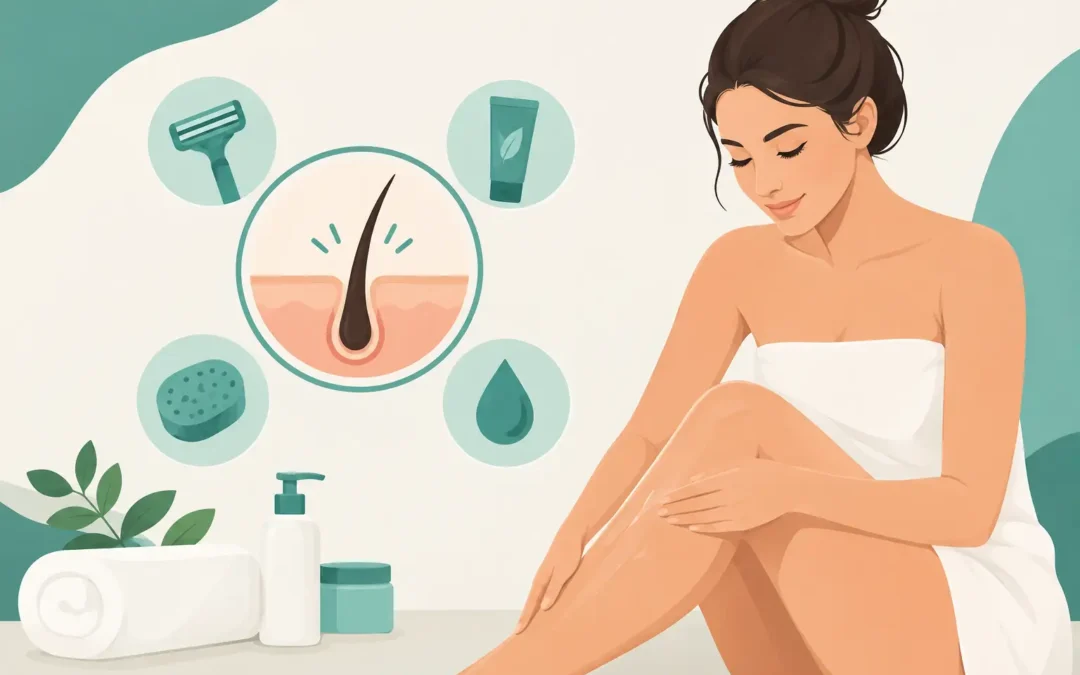
Ingrown hairs can turn a routine shave, wax, or trim into days of tenderness, visible bumps, and frustration. Learning how to prevent ingrown hairs starts with understanding that these bumps are not always a sign that you have done something wrong. They are often the result of hair growing back into the skin rather than out through its natural opening – a concern that is especially common on the bikini line, underarms, legs, face, and neck.
The goal is not to scrub your skin harder or remove hair more aggressively. It is to create the right conditions for hair to grow out cleanly while protecting the skin barrier. A few thoughtful changes to your hair-removal routine can make a noticeable difference in comfort and skin texture.
Why ingrown hairs happen
An ingrown hair develops when a new hair curls back into the skin or becomes trapped beneath dead skin cells at the surface. This can create a small raised bump that may feel itchy, sore, or inflamed. Curly or coarse hair is more likely to curve toward the skin as it grows, but anyone can experience ingrowns after shaving, waxing, tweezing, or friction from close-fitting clothing.
Very close shaving is a frequent trigger. When hair is cut below or too near the skin’s surface, the sharp end can have difficulty finding its way out as it regrows. Dull blades, dry shaving, shaving against the direction of growth, and repeated passes over the same area can all increase irritation and the likelihood of trapped hairs.
The skin itself also matters. A buildup of dry skin cells can block the follicle opening, while over-exfoliating can leave the skin sensitive and inflamed. Prevention is about balance: keeping the follicle clear without disrupting the skin’s natural protective barrier.
How to prevent ingrown hairs before hair removal
Preparation should be gentle, not complicated. Start with clean skin and warm water. Showering first or applying a warm compress for a few minutes can soften both the hair and the outer layer of skin, allowing a razor to glide more comfortably.
If you shave, use a clean, sharp blade and a lubricating shave gel or cream. A blade that pulls, skips, or requires repeated pressure has reached the end of its useful life. Shaving with a worn-out razor can create tiny areas of irritation that make bumps more likely.
Shave in the direction the hair naturally grows whenever possible. Going against the grain can feel closer in the moment, but it also raises the risk of cutting hair too short and irritating the follicle. Use light pressure and short strokes, rinsing the blade often. One careful pass is kinder to the skin than trying to achieve absolute smoothness through several passes.
For areas prone to frequent ingrowns, consider whether a very close shave is worth the trade-off. An electric trimmer that leaves a small amount of length may be a better choice for some people, particularly on the face, neck, or bikini area.
Exfoliate with purpose, not force
Regular exfoliation can help prevent dead skin cells from collecting around the follicle opening. However, more is not always better. Rough scrubs used too often can cause micro-irritation, which may make existing bumps look and feel worse.
Choose a gentle approach that suits your skin. A soft washcloth can be enough for sensitive areas, while a chemical exfoliant formulated with ingredients such as salicylic acid, glycolic acid, or lactic acid may help some people keep pores and follicles clearer. These ingredients are not interchangeable for every skin type, so introduce one product at a time and observe how your skin responds.
Avoid exfoliating immediately after shaving or waxing if your skin feels warm, tender, or freshly irritated. Waiting until the following day is often more comfortable. If you are prone to dryness, limit exfoliation to a few times weekly and follow with a simple, fragrance-free moisturizer.
Give freshly treated skin room to recover
The first 24 to 48 hours after hair removal can influence whether irritation settles or develops into bumps. Apply a lightweight, non-comedogenic moisturizer to support the skin barrier. Avoid heavily fragranced body products if you know your skin reacts easily.
Friction and heat can also aggravate the area. After shaving or waxing the bikini line, for example, breathable underwear and looser clothing can reduce rubbing while the skin settles. If you have treated your underarms, it may help to avoid intense exercise, hot baths, and irritating deodorant formulas for a short period, depending on your sensitivity.
Do not pick or squeeze ingrown hairs. It is tempting, especially when a bump is visible, but digging into the skin can introduce bacteria, prolong inflammation, and raise the risk of dark marks or scarring. If a hair is clearly visible at the surface, resist pulling it out unless a qualified professional has advised you otherwise. The priority is calming the skin, not forcing a quick fix.
Adjust your waxing and tweezing habits
Waxing and tweezing remove hair from the root, which can provide longer-lasting smoothness, but new growth still needs a clear path through the skin. Exfoliating gently between appointments, moisturizing consistently, and avoiding restrictive clothing can help.
It also helps to let hair grow to an appropriate length before waxing rather than repeatedly targeting very short regrowth. If you tweeze, use clean tools and avoid repeatedly plucking at the same area. Constant follicle trauma can cause irritation and uneven regrowth.
If you regularly develop painful bumps after waxing, the method may not be the best match for that body area. This is where a personalized conversation about your hair type, skin sensitivity, and goals becomes valuable. A treatment plan should support your skin, not require you to tolerate recurring discomfort as the price of smoothness.
Consider laser hair removal for a longer-term approach
For people who deal with persistent ingrown hairs, laser hair removal can be a meaningful shift in their routine. Rather than repeatedly cutting or pulling hair from the skin, laser treatments target the hair follicle to reduce future growth over a series of sessions. With less hair growing back, many clients experience fewer opportunities for hairs to become trapped.
Results vary based on hair colour, hair density, skin tone, treatment area, hormonal factors, and consistency with the recommended plan. Laser hair removal is not an overnight solution, and it is not identical for every client. A professional consultation helps determine whether it is suitable for you and which technology and treatment schedule support both safety and results.
At Alpha Med Spa, treatment planning is tailored to the individual, with a focus on medical-grade technology, comfort, and visible skin-smoothing outcomes. For clients in Brampton and across the GTA who are tired of planning around razor bumps, a consultation can clarify whether laser hair removal fits their lifestyle and skin goals.
When a bump needs more than home care
Most minor ingrown hairs improve with time, reduced friction, and a gentler routine. Seek medical advice if you notice spreading redness, significant pain, pus, warmth, fever, or bumps that keep returning in the same location. A healthcare professional can assess whether there is an infection, folliculitis, or another skin concern that needs targeted treatment.
If dark marks linger after ingrown hairs heal, avoid aggressive at-home treatments. Post-inflammatory hyperpigmentation is common, particularly in deeper skin tones, and the wrong product can worsen irritation. A qualified skincare professional can recommend an approach that protects your skin while addressing uneven tone gradually.
Smooth, confident-looking skin is usually built through consistency rather than harsh shortcuts. Treat your skin gently, refine the hair-removal method that suits you, and consider a longer-term solution when recurring ingrowns are getting in the way of feeling your best.