
Fine lines can make makeup settle where you do not want it, while uneven skin tone can leave your complexion looking tired even after a full night of rest. Microneedling for fine lines and uneven skin tone is a refined skin-rejuvenation option for clients who want visible improvement without putting their lives on pause.
The goal is not to change your face or create an artificial finish. It is to support healthier-looking skin from within, improving the texture, clarity, and firmness that help you look refreshed in every light. With the right treatment plan, microneedling can be a valuable long-term investment in skin confidence.
What Microneedling Does for Your Skin
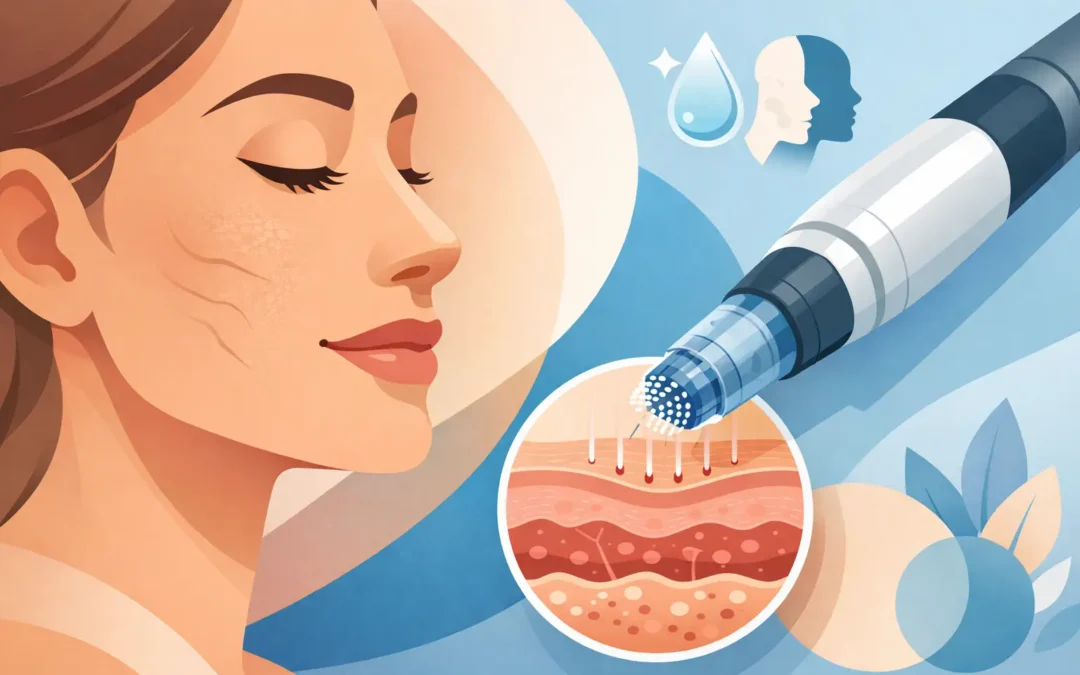
Microneedling uses a medical-grade device with very fine, sterile needles to create controlled microchannels in the skin. These tiny channels activate the skin’s natural repair response, encouraging collagen and elastin production over time.
Collagen is one of the structural proteins that helps skin look smooth, resilient, and supple. As collagen production naturally changes with age, skin may begin to show fine lines, enlarged-looking pores, rough texture, and a less even appearance. Microneedling works with the skin’s renewal process to address these concerns gradually.
For uneven tone, the benefit is often tied to better skin turnover and a more refined surface. It may help soften the appearance of lingering discoloration, mild sun-related unevenness, and post-breakout marks. Results depend on the cause and depth of discoloration, which is why an individualized assessment matters. Not every pigmentation concern should be treated the same way.
Is Microneedling Right for Fine Lines and Uneven Skin Tone?
Microneedling can be an excellent option if your concerns include early lines around the eyes, forehead, or mouth; uneven texture; dullness; visible pores; or mild, inconsistent skin tone. It is especially appealing for people who want natural-looking improvement and can commit to a series of treatments rather than expecting a single appointment to erase years of skin changes.
It is not a one-size-fits-all answer. Deep wrinkles, significant skin laxity, pronounced volume loss, or certain types of hyperpigmentation may respond better to a combined plan that includes other advanced treatments. In some cases, a provider may recommend pairing microneedling with targeted skincare, chemical exfoliation, laser-based rejuvenation, or wrinkle-reducing injectables for a more complete result.
The best candidates generally have healthy skin, realistic expectations, and a willingness to protect their results with daily sunscreen. A consultation should also cover your medical history, current skincare routine, medications, and any history of cold sores, scarring, melasma, or post-inflammatory hyperpigmentation.
When You May Need to Wait
Microneedling is usually postponed if you have an active acne flare, open wounds, a skin infection, a sunburn, or an active cold sore near the treatment area. Pregnancy, certain medications, and a history of abnormal scarring can also affect whether treatment is appropriate.
This is not a reason to assume you are not a candidate. It is a reason to choose a qualified provider who will protect your skin first and recommend the right timing or alternative approach when needed.
What Your Appointment Can Feel Like
A professional microneedling treatment begins with a detailed skin consultation. Your provider evaluates your skin tone, texture, sensitivity, goals, lifestyle, and tolerance for downtime. That information guides the treatment settings and the plan for follow-up care.
Your skin is cleansed, and a topical numbing cream may be applied to help keep you comfortable. During treatment, the device is passed across the skin in a controlled pattern. Most clients describe the sensation as manageable, with more sensitivity around the forehead, upper lip, and areas where the skin is thinner.
An appointment often takes about 45 to 60 minutes, including preparation. Afterward, your skin may look pink or red, similar to a mild-to-moderate sunburn. This temporary response is expected and is part of why scheduling around important events requires thoughtful planning.
Recovery: The Small Details That Protect Your Results
The first 24 to 48 hours are when your skin needs a calm, supportive routine. Redness, warmth, tightness, and mild swelling are common. Some people experience light flaking or dryness over the following days as the skin renews.
Keep your aftercare simple. Use only the products recommended by your provider, avoid touching your face with unwashed hands, and do not pick at any dryness or flaking. Makeup is typically best avoided for at least the first day, depending on your provider’s guidance and how your skin is responding.
For several days, skip exfoliating acids, retinoids, scrubs, and other active products that may irritate freshly treated skin. You will also want to avoid intense workouts, steam rooms, hot yoga, and direct sun exposure right after treatment. Daily broad-spectrum SPF is essential, especially when uneven tone is part of your concern. Sun exposure can quickly work against the progress you are making.
How Many Treatments Will You Need?
Most clients see the best results through a series of treatments rather than one appointment. A common starting plan is three sessions spaced about four to six weeks apart, though your provider may recommend a different schedule based on your skin condition and goals.
Early changes can include a smoother feel and a healthy-looking glow. More meaningful improvement in fine lines, texture, and skin tone develops gradually as collagen remodeling takes place. Many clients notice ongoing refinement for several weeks after each session.
Maintenance is equally personal. Some people choose periodic treatments to support their results throughout the year, while others build microneedling into a broader skin-rejuvenation plan. Your age, sun exposure, skincare habits, and original concerns all influence how often maintenance makes sense.
Microneedling at Home vs. Professional Treatment
At-home rollers may seem convenient, but they are not equivalent to a professional microneedling treatment. Device quality, needle depth, sterility, technique, and treatment customization all matter. Poor technique can lead to irritation, infection, scarring, or worsened pigmentation, particularly in deeper skin tones or sensitive skin.
Professional care offers greater precision and a safer pathway to meaningful results. At Alpha Med Spa, skin rejuvenation plans are built around the individual, not a generic protocol. That means choosing an approach that respects your skin type, your schedule, and the level of improvement you want to achieve.
Making Your Results Last
Microneedling creates an opportunity for skin renewal, but your daily habits help determine how well that opportunity lasts. Consistent sunscreen, a provider-recommended home regimen, hydration, and avoiding excessive sun exposure can all support a clearer, smoother-looking complexion.
If you are treating uneven skin tone, patience is particularly valuable. Discoloration can be influenced by sun exposure, hormones, inflammation, and previous breakouts. A careful plan often produces better, more stable results than trying to treat everything aggressively at once.
Your skin does not need to look filtered to look exceptional. A personalized microneedling plan can help you move toward smoother texture, softer-looking lines, and a more even, confident glow – one thoughtful treatment at a time.