
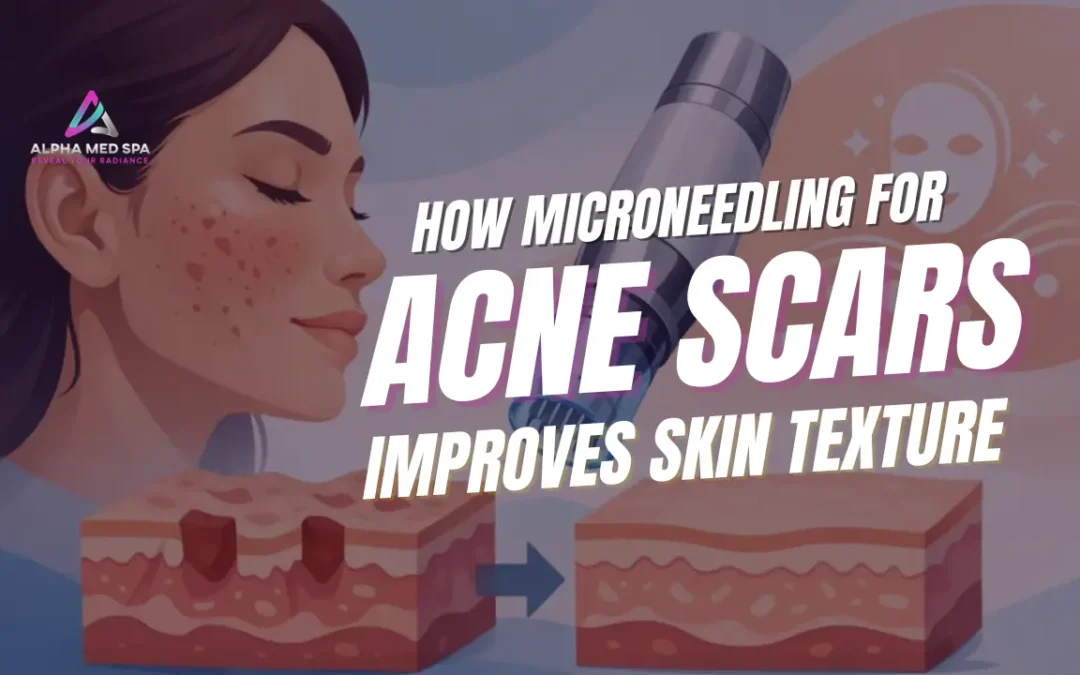
Acne may be temporary, but the texture it leaves behind can feel like a lasting reminder every time you apply makeup, step into bright light, or see a close-up photo. Microneedling for acne scars: how it helps improve skin texture comes down to a carefully controlled renewal process that encourages the skin to rebuild and become more even over time. For clients who want natural-looking improvement without aggressive downtime, it can be a powerful part of a personalized skin rejuvenation plan.
Why acne scars change the look and feel of skin
Acne scars are not all the same. Many are caused by inflammation that damages collagen during the healing process. When the skin does not replace that collagen evenly, it can create depressed areas, including rolling scars, boxcar scars, and narrow ice-pick scars. These indentations catch light differently than surrounding skin, making texture appear more noticeable even when active breakouts are long gone.
Surface dryness, enlarged-looking pores, discoloration, and uneven tone can make scars seem more pronounced, too. That is why effective scar care should look beyond a single concern. The goal is not to erase the skin’s history overnight. It is to improve its overall quality so it looks smoother, healthier, and more refined.
How microneedling for acne scars improves skin texture
Microneedling uses a medical-grade device with very fine, sterile needles to create precise microchannels in the skin. These controlled micro-injuries trigger the body’s natural repair response, encouraging fresh collagen and elastin production in the treated area.
Collagen provides structure and support. As new collagen develops, depressed scars may gradually look less defined, and the surrounding skin can feel firmer and more even. Elastin supports flexibility, helping the skin maintain a smoother-looking finish. This remodeling happens beneath the surface, which is why results build gradually rather than appearing all at once.
Microneedling can also improve the way skincare products absorb immediately after treatment, when appropriate professional products are used. More importantly, it offers a targeted way to address texture without removing the top layers of skin as aggressively as some resurfacing procedures. For many clients, that balance of visible improvement and manageable recovery is a major advantage.
What results can look like
The best results tend to look natural. Instead of appearing dramatically altered, skin often looks more polished: makeup may apply more smoothly, pores can appear less noticeable, and scar edges may soften. Clients frequently notice an overall improvement in texture and radiance alongside changes in the appearance of scars.
The degree of improvement depends on the scar type, its depth, skin health, active acne status, and the treatment plan. Rolling scars and shallow boxcar scars often respond particularly well because collagen remodeling can help lift and smooth their edges. Deep ice-pick scars may require a more comprehensive approach, such as combining microneedling with other professional treatments recommended during a consultation.
The treatment experience: precise, personalized, and comfortable
A quality microneedling appointment begins well before the device touches the skin. Your provider should assess your scar pattern, current breakouts, skin sensitivity, history of pigmentation, and goals. This guides treatment depth, technique, and the number of sessions recommended for your complexion and lifestyle.
A topical numbing cream is typically applied before treatment to support comfort. During the procedure, the device is moved systematically across the skin, with settings adjusted for different facial areas when needed. The appointment itself is generally efficient, and most clients describe the sensation as manageable with professional numbing.
Afterward, the skin commonly looks pink or red, similar to a mild sunburn, and may feel warm or tight for a short period. Mild swelling and dryness can occur. These effects are expected and usually settle over the next few days. Your provider will give you customized aftercare instructions to protect your results and support a smooth recovery.
How many sessions are needed for acne scars?
Microneedling is a treatment series, not a one-time fix. Because collagen takes time to form and reorganize, sessions are usually spaced several weeks apart. Many clients begin with a series of three to six treatments, then reassess progress with their provider.
More significant or deeply etched scarring may benefit from additional sessions or a customized combination plan. The right number is never a guess. It should reflect how your skin responds, the type of scars present, and how much improvement you would like to achieve.
Patience matters here. Some clients see a brighter, smoother-looking complexion within the first few weeks, but collagen remodeling continues for months after each session. Consistency, thoughtful scheduling, and professional guidance create the strongest long-term outcome.
Is microneedling right for every type of acne scar?
Microneedling is versatile, but it is not the best stand-alone solution for every concern. It is generally most effective for atrophic scars, which are indented rather than raised. If you have active, inflamed acne, treatment may need to wait until breakouts are better controlled. Treating over active lesions can irritate the skin and may not deliver the refined result you want.
Raised scars, keloid-prone skin, certain skin infections, and some medical conditions require extra caution. Individuals using specific medications or those who are pregnant or nursing should also discuss eligibility with a qualified provider. A professional consultation is where safety and customization come together.
For clients with a history of post-inflammatory hyperpigmentation, especially deeper skin tones, proper technique and aftercare are essential. Microneedling can be an appropriate option for many skin types, but settings, skincare recommendations, and sun protection need to be tailored carefully to minimize unnecessary irritation.
Preparing for treatment and protecting your results
The quality of your results is influenced by what happens before and after your appointment. Your provider may ask you to pause certain exfoliating or retinoid products for a period before treatment. Avoiding unnecessary sun exposure before your session also helps keep the skin calm and prepared.
After microneedling, think gentle and protective. Use the recommended cleanser and moisturizer, avoid picking or exfoliating, and wear broad-spectrum sunscreen diligently. Heat, intense exercise, swimming, and makeup may need to be avoided briefly, depending on your provider’s guidance and how your skin is responding.
Long-term, a consistent home skincare routine and professional maintenance plan can help preserve your skin’s improved quality. Acne prevention is equally valuable. New breakouts can create new scars, so managing congestion, inflammation, and hormonal triggers is often part of the bigger picture.
Why professional treatment makes a difference
At-home rollers and consumer devices may sound appealing, but they cannot provide the same precision, sterility, or treatment depth as a professional microneedling service. More is not better when it comes to needles and skin. Using the wrong technique or over-treating can lead to irritation, infection, or uneven results.
A professional setting provides controlled treatment parameters, medical-grade products, and expert assessment at every stage. At Alpha Med Spa, the focus is on building a customized approach around your skin, not fitting your skin into a standard package. That can mean microneedling on its own or a thoughtfully selected combination designed to support more visible texture improvement.
A smoother-looking future starts with a plan
Acne scars do not need to define the way you feel about your skin. With the right expectations and a treatment plan designed around your scar type, microneedling can support meaningful, gradual refinement that still looks completely like you. A consultation is the ideal first step to understand what your skin needs and choose a path that feels as confident as the results you want to see.