
A smooth, fresh-looking complexion is often less about adding more products and more about removing what is getting in the way: dull surface cells, uneven texture, and sometimes fine facial hair. When comparing dermaplaning versus microdermabrasion, both treatments can refresh the skin with little to no social downtime. The better choice depends on what you see in the mirror, how reactive your skin is, and the results you want to maintain over time.
Neither service is a one-size-fits-all facial. A professional assessment matters because exfoliation should support your skin barrier, not overwhelm it. At Alpha Med Spa, treatment planning begins with your skin goals, current routine, and any concerns that may affect how your complexion responds.
Dermaplaning versus microdermabrasion: the key difference
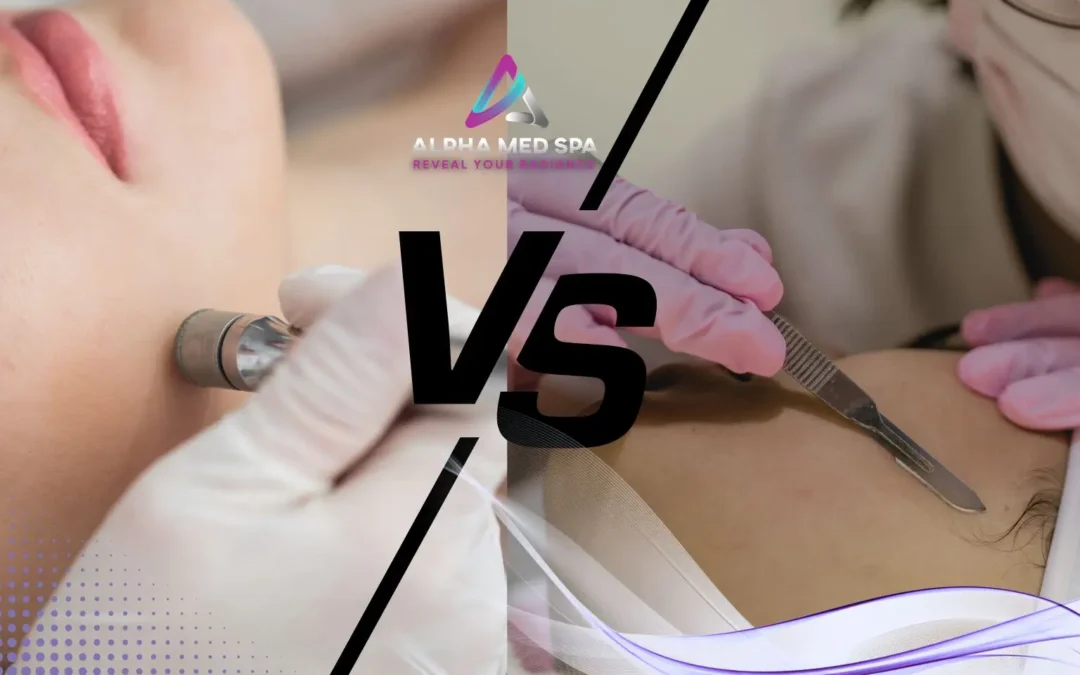
Dermaplaning is a precise manual exfoliation treatment. A trained professional uses a sterile, single-use surgical blade held at a careful angle to gently lift away the outermost layer of dead skin cells and fine vellus hair, often called peach fuzz. The result is skin that can look immediately smoother, brighter, and more polished.
Microdermabrasion is a mechanical exfoliation treatment. A specialized device gently resurfaces the skin using controlled abrasion and suction. It is designed to loosen and remove dead skin cells while stimulating a refreshed appearance. Depending on the device and treatment plan, the intensity can be adjusted to suit the skin’s needs.
The simplest way to think about dermaplaning versus microdermabrasion is this: dermaplaning excels when fine facial hair and instant softness are part of the goal, while microdermabrasion is often selected for surface texture, congestion, and a more targeted polishing effect.
Choose dermaplaning for a silky, makeup-ready finish
Dermaplaning is especially appealing before a special event, professional photos, or any time you want makeup to apply more evenly. Without the layer of dry, shedding cells and fine hair on the surface, foundation can glide on with a more refined finish. Many clients also appreciate the clean, luminous look their skin has immediately after treatment.
It can be a strong option for dry or dull-looking skin that needs gentle manual exfoliation. Because it does not rely on suction or abrasive particles, dermaplaning may feel more comfortable for some clients with skin that is easily irritated by more active treatments. That said, suitability still depends on the condition of the skin on treatment day.
One common concern deserves a clear answer: dermaplaning does not cause facial hair to grow back thicker, darker, or faster. The hair may feel different as it grows in because its natural tapered tip has been removed, but the treatment does not change the hair follicle, its colour, or its growth pattern.
Dermaplaning is not always appropriate over active breakouts, inflamed acne, open areas, sunburn, or certain irritated skin conditions. Passing a blade over active inflammation can spread bacteria or aggravate sensitivity. In those cases, a different skin treatment may be the more thoughtful choice.
Choose microdermabrasion for texture and congestion
Microdermabrasion can be a valuable choice when your main concern is a rough, uneven surface rather than facial hair. It is frequently considered for skin that looks lacklustre, feels bumpy, or has visible congestion around the nose, chin, and forehead. With regular professional care, it can support a more even-looking texture and help skin appear clearer and more refined.
This treatment may also suit clients who are working on the appearance of mild post-breakout marks or early visible signs of photoaging. It will not erase deep acne scars, pronounced wrinkles, or significant pigmentation in one session. Those concerns often require a more comprehensive plan, potentially combining professional treatments with home care chosen for your skin.
The suction component of microdermabrasion is one reason it can feel different from dermaplaning. Some clients enjoy the deep-clean sensation, while others with very sensitive, rosacea-prone, or compromised skin may require a gentler option or a lower-intensity approach. The goal is visible improvement without leaving the skin unnecessarily stressed.
What the appointment and recovery feel like
Both treatments are generally quick and designed to fit comfortably into a busy schedule. Your appointment should start with a review of your skin, including recent use of retinoids, exfoliating acids, prescriptions, cosmetic injectables, or other professional treatments. These details help your provider choose the safest path.
During dermaplaning, most people feel a light, dry brushing sensation as the blade moves across the skin. There should not be pain. During microdermabrasion, you may feel a mild scratching or vibrating sensation combined with gentle suction. Treatment intensity should always be adapted to your comfort and skin condition.
After either service, mild temporary pinkness is possible, particularly with microdermabrasion or if your skin is naturally reactive. Many clients return to normal activities the same day. However, freshly exfoliated skin is more vulnerable to irritation and sun exposure, so aftercare is where you protect the glow.
For the next several days, use a gentle cleanser, a hydrating moisturizer, and broad-spectrum sunscreen every morning. Avoid scrubs, exfoliating acids, retinoids, and hair-removal methods on the treated area until your provider confirms it is appropriate to resume them. Skip excessive heat, including very hot showers, saunas, and intense workouts, if your skin feels warm or flushed.
Which treatment is better for your skin goals?
There is no universal winner between dermaplaning and microdermabrasion. Dermaplaning is often the better match if facial peach fuzz, dry surface buildup, and a flawless makeup application are at the top of your list. It delivers a visibly smooth result without a device-based abrasion process.
Microdermabrasion may be more aligned with your needs if you are focused on texture, clogged-looking pores, uneven tone, or recurring dullness. It offers a customizable mechanical exfoliation experience that can become part of a consistent skin-maintenance routine.
Your current skin state can matter more than your usual skin type. For example, someone with combination skin may benefit from microdermabrasion when congestion is the concern, but choose dermaplaning during a season when their complexion feels dry and sensitive. Similarly, a client preparing for an event may choose dermaplaning for its immediate polished effect, then follow a longer-term plan for texture and pigmentation concerns.
Can you alternate dermaplaning and microdermabrasion?
In some personalized treatment plans, yes. Alternating treatments can make sense when you want to address both fine hair and surface texture, provided your skin has enough recovery time between appointments. They should not be stacked casually or performed too frequently simply because your skin feels smooth afterward. Over-exfoliation can lead to tightness, redness, flaking, breakouts, and a weakened moisture barrier.
A trained aesthetics professional can recommend timing based on your skin’s response, the strength of your home routine, and other services you receive. This is particularly valuable if you are using prescription acne products, retinoids, chemical exfoliants, or pursuing laser and skin-rejuvenation treatments.
Results that look like your skin, refreshed
The best exfoliation treatment should not leave your face looking stripped or feeling sensitized. It should help your complexion look clearer, smoother, and more even while respecting what your skin needs to stay healthy.
If you are deciding between dermaplaning and microdermabrasion, begin with the outcome you want most: a soft, hair-free finish, more refined texture, less visible congestion, or a plan that supports several goals over time. A tailored consultation can turn that answer into care that feels considered, comfortable, and confidently your own.